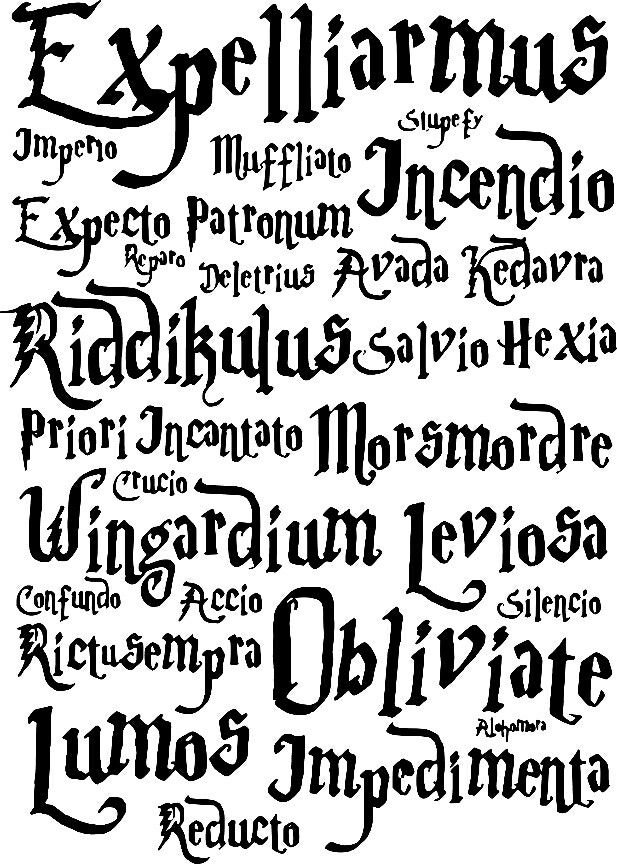
The visual identity of the Wizarding World is instantly recognizable, and a huge part of that magic lies in its typography. If you've ever wondered about the distinctive lettering that graced the pages and covers of the beloved series, you're in the right place. This guide on The Original Harry Potter Fonts Explained reveals the fascinating choices behind the book's core readability and its iconic, enchanting titles, offering a deep dive into the typefaces that helped bring Hogwarts to life.
From the moment you picked up Philosopher's Stone (or Sorcerer's Stone), the "feel" of the books wasn't just in J.K. Rowling's words; it was subtly, powerfully shaped by the fonts chosen by the designers. These aren't just arbitrary design elements; they are carefully selected tools that enhance immersion, build brand recognition, and even evoke nostalgia long after the last page is turned.
At a Glance: The Original Harry Potter Fonts
- Book Body Text: The vast majority of the text you read in the Harry Potter novels uses a classic, highly readable typeface called a customized version of Garamond.
- Cover & Chapter Titles: The iconic, whimsical, and often slightly slanted lettering, sometimes referred to as the "Hogwarts font," was largely hand-drawn and inspired by a style created by graphic designer Marcus Burlile.
- Film Adaptations: While retaining the essence, the cinematic universe introduced more modern, often bespoke fonts for credits and promotional materials.
- Why It Matters: These font choices were crucial for comfortable reading, establishing a cohesive magical brand identity, and evoking a sense of wonder and adventure.
Beyond the Wand: Unpacking the Visual Magic of Harry Potter Typography
When we talk about "the Harry Potter font," it's easy to picture just one single typeface. But the truth is, the series employs a clever typographic duality: one font family for the expansive narrative you devoured chapter by chapter, and another, more flamboyant style for the titles and visual branding that captured your imagination. Understanding this distinction is key to appreciating the full genius of the series' design.
It’s like the difference between your favorite comfortable reading chair and a magnificent, intricately carved throne—both serve a purpose, but one draws you in for extended comfort while the other demands attention with its grandeur.
Garamond: The Unsung Hero of Hogwarts' Pages
Let's start with the workhorse of the series: the body text. For the bulk of the Harry Potter books, readers encountered a slightly customized version of Garamond. This isn't some obscure, magical typeface; it's a venerable classic from the 16th century, named after the French engraver Claude Garamond.
Why Garamond? Designers chose it for its exquisite balance of readability and timeless aesthetics. Its elegant serifs (the small feet at the end of strokes) and graceful curves make for exceptionally comfortable reading, even across thousands of pages. The letterforms are well-proportioned, and the spacing feels natural, ensuring that your eyes can glide across sentences without strain. It's a font that quietly supports the narrative without ever drawing undue attention to itself, allowing Rowling's world to fully unfurl in your mind.
Different editions and publishers utilized slightly varied cuts or weights of Garamond, sometimes incorporating italics for spells or dialogue emphasis, and bold for key phrases. Even as the series moved from print to digital formats like ebooks, the core characteristics of Garamond were maintained, often optimized for screen readability. If you want to delve into the history of the Garamond typeface yourself, you'll find a rich heritage that predates modern computing by centuries.
The Iconic 'Hogwarts' Font: More Than Just a Title
Now, for the font everyone thinks of first: the distinctive, magical lettering found on the book covers, chapter titles, and promotional materials. This isn't a single, readily available font you can simply download. It's a bespoke design, often referred to as the "Hogwarts font" or the "Harry Potter title font," and its creation is credited to graphic designer Marcus Burlile.
Burlile's design embodies the essence of the Wizarding World: it's slightly slanted, features calligraphy-like flourishes, and exudes a sense of enchanting mystery. It feels organic, almost hand-written, like something plucked directly from an ancient spellbook or a student's parchment at Hogwarts School of Witchcraft and Wizardry. This "display font" perfectly complements the underlying Garamond, providing a stark visual contrast that announces the magic before you even read the first sentence. It's bold, playful, and instantly evokes wonder and adventure, reinforcing the magical experience.
Its consistent application across all media, from book covers to chapter headings and even merchandise, was a stroke of branding genius. It helped create a cohesive visual identity that transcended individual books, making it a universal symbol of magic, adventure, and imagination. This unique lettering became so popular that it inspired countless other typefaces, fan art, and website designs around the world.
Why Font Choices Matter: The Alchemy of Storytelling and Branding
You might think fonts are just an aesthetic choice, but in a series as globally impactful as Harry Potter, typography plays a far more profound role. It’s an integral part of the storytelling fabric, profoundly impacting the reading experience and forging an undeniable connection with the brand.
Imagine trying to read the Harry Potter books if they were set entirely in Comic Sans or a dense, unreadable Gothic script. The magic would be lost, the immersion broken. Good typography is often invisible, doing its job so well that you don't even notice it's there.
From Print to Screen: The Evolution of Wizarding World Typefaces
As the Harry Potter saga expanded from books to blockbuster films, video games, and a vast array of merchandise, the typography had to evolve. While the core essence of the original fonts was carefully retained, the film series adopted a more polished, cinematic aesthetic for credits and promotional materials. These often involved custom lettering designed to evoke the darker, more dramatic tone that matured with the series.
Think about the film logos—while clearly inspired by the book titles, they often feature sharper edges, metallic textures, and a more imposing presence suitable for the big screen. This transition highlights how a brand's typography can adapt across different media while still maintaining its core identity. It's fascinating to compare the subtle ways how typography shapes other fantasy worlds through similar evolutionary paths. The goal is always to match the visual language to the medium and the narrative's evolving tone.
This careful management of typography across various formats ensures that whether you're reading a physical book, watching a movie, or browsing a themed website, you instantly recognize the unique visual language of the Wizarding World.
Crafting Your Own Magic: Replicating and Respecting Harry Potter Typography
For fans, creators, and designers, the allure of Harry Potter's typography is immense. Many wish to incorporate that same magical aesthetic into their own projects, whether it's fan fiction, party invitations, or creative designs. Thankfully, you don't need to conjure a spell to get close.
If you're creating something that needs to feel like it came straight out of a Hogwarts textbook, an excellent starting point for body text is a version of Garamond. Many free and commercial Garamond-inspired fonts are available that capture its classic elegance and readability. For titles, chapter headings, or any element needing that iconic "Hogwarts" flair, you'll want something more illustrative. There are numerous fan-made fonts and commercial typefaces "inspired by" the Marcus Burlile style, featuring those characteristic slants and decorative serifs.
Want to try your hand at creating some wizarding words of your own? You can easily Try our Harry Potter font generator to get a feel for how these iconic styles come together in your own text. These tools are fantastic for quickly seeing your ideas come to life.
Navigating Copyright and Fair Use in Fan Creations
This is where the magic gets a little less straightforward. While there are many "Harry Potter-style" fonts available, it's crucial to understand the difference between inspired by and direct copy. The actual font designs used by Warner Bros. and the original publishers are copyrighted intellectual property.
- For Personal, Non-Commercial Use: Generally, if you're making something for yourself, a friend, or a fan event (like a birthday party invite) and you're not selling it, using a commercially available font that looks like the Harry Potter titles or even a custom generated one is usually fine.
- For Commercial Use: If you plan to sell anything—merchandise, prints, digital products—that uses fonts directly copied from the Harry Potter series, you will very likely run into copyright infringement issues. Even "inspired by" fonts need careful consideration. Always check the license of any font you download. Many free fonts are for personal use only.
- Fan Art: When creating fan art, the lines can sometimes blur. However, if your artwork is purely transformative and clearly your own creation (not just replicating copyrighted elements), you might be okay. But selling merchandise based on exact font replications is a high-risk area.
The best practice is to seek out fonts explicitly licensed for commercial use and to choose ones that are inspired by the Harry Potter aesthetic rather than direct copies. Understanding navigating the rules around using copyrighted fonts is essential for any aspiring creator in the fan space.
Beyond Imitation: Finding Your Own Typographic Voice
While the Harry Potter fonts are undeniably enchanting, there’s immense creative satisfaction in developing your own unique typographic voice. The series' design choices offer a masterclass in how typography can support storytelling and build a brand. You can learn from their principles—readability for body text, distinctiveness for display text—and apply them to your own original creations.
Experiment with different font pairings, explore how varying weights and styles can create different moods, and discover how lettering can become an extension of your narrative. Understanding the intricate process of custom font design for major brands can open up a whole new world of appreciation for the craft behind iconic logos and book titles. The goal isn't just to copy, but to understand why certain choices were made, and then to apply those insights to forge your own path.
Common Misconceptions About Harry Potter Fonts
Given their iconic status, it's no surprise that a few myths and misunderstandings have cropped up around the Harry Potter fonts over the years. Let's clear up some of the most frequent ones.
- "There's only one Harry Potter font." As we've explored, this isn't true. The series masterfully employs a duality: the readable Garamond for the vast body of the text and the unique, custom-designed "Hogwarts font" (by Marcus Burlile) for covers, chapter titles, and branding. Both are critical, but they serve different functions.
- "The movies use the exact same fonts as the books." While the films certainly draw inspiration from the book's aesthetic, their typography evolved. Film credits, promotional materials, and movie logos often feature more modern, often bespoke, and sometimes darker variations to suit the cinematic medium and the evolving tone of the later stories. They retain the essence but aren't direct copies.
- "I can just use the actual Harry Potter font for my commercial project." This is a common and potentially costly misconception. The original Harry Potter fonts and logos are copyrighted intellectual property. Using direct copies for commercial gain without proper licensing from Warner Bros. or the original publishers would be copyright infringement. Always use legally licensed, "inspired by" alternatives for commercial work, or seek official permissions.
The Lasting Legacy: How Typography Defined a Generation's Imagination
The thoughtful typography of the Harry Potter series isn't just a design footnote; it's a cornerstone of its success and enduring appeal. The elegant readability of Garamond invited millions of readers into a sprawling magical world for hours on end, ensuring the journey was comfortable and immersive. The distinctive, enchanting "Hogwarts font" on the covers and chapter titles acted as a visual spell, instantly transporting readers to a realm of wonder and adventure.
These fonts became more than just letters on a page; they became symbols. They represent the thrill of discovery, the warmth of friendship, and the eternal battle between good and evil. Their consistent application forged a brand identity so strong that it's instantly recognizable across cultures and generations. From amateur fan fiction to professional merchandise, the influence of these typefaces is ubiquitous, proving that the magic of design is just as potent as the magic within the stories themselves. To see just how far this influence has spread, explore inspiring fan creations that embrace Harry Potter typography.
Ultimately, the story of the Harry Potter fonts is a testament to the power of deliberate design. It shows how even seemingly small choices, like which typeface to use, can profoundly shape our experience of a narrative and build a timeless legacy that continues to enchant and inspire. So the next time you encounter those familiar letters, remember the hidden magic in their design—a subtle, yet powerful, enchantment that truly helped define a generation's imagination.